
The ROI of Real-Time: Payback Period for Warehouse Automation
Measuring the ROI of real-time tracking in warehouses. The global logistics landscape is undergoing a radical shift. For small to mid-sized integration firms and warehouse operators in markets as diverse as Malta and Canada, the question is no longer “Should we automate?” but “How fast will this pay for itself?”
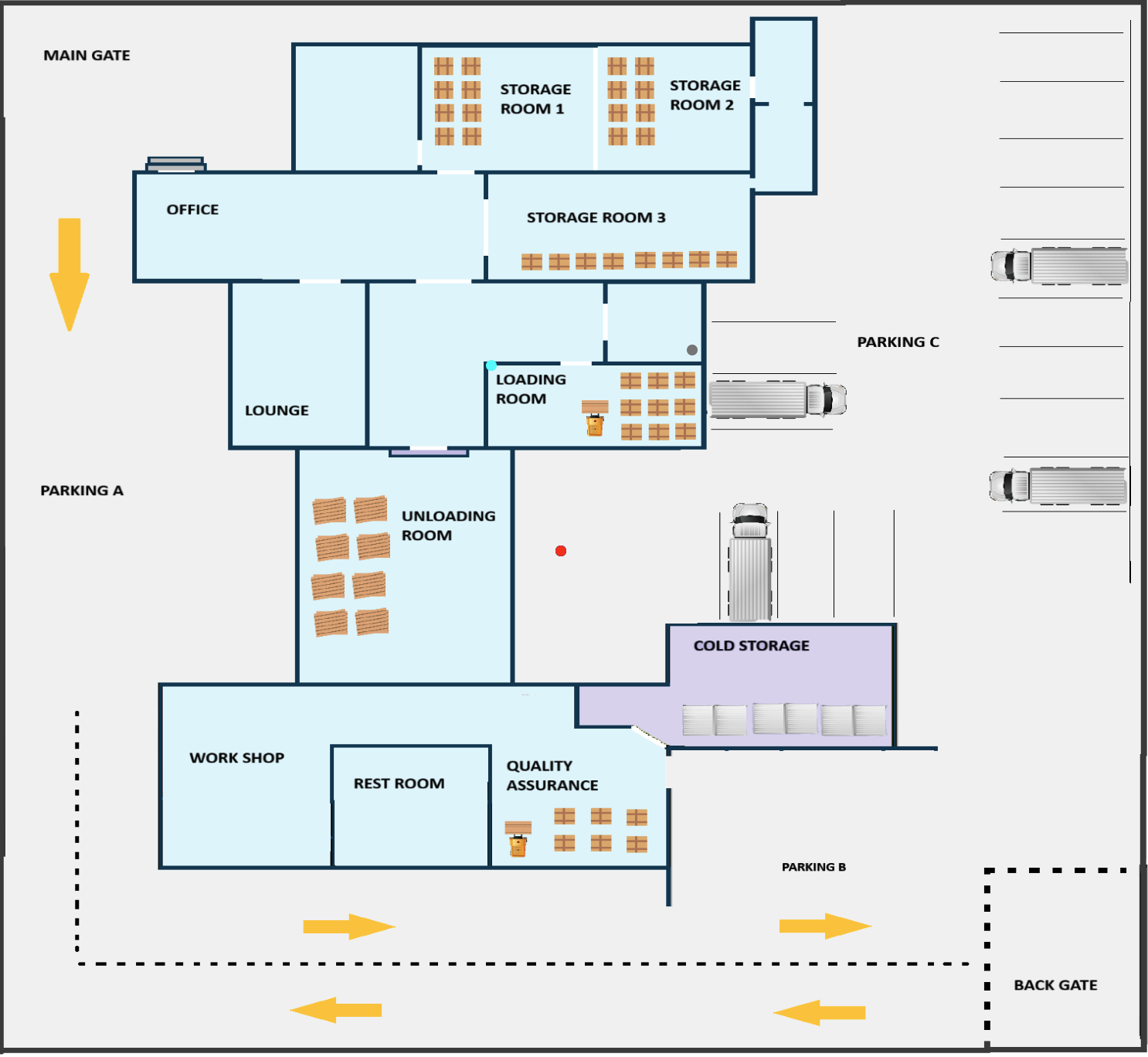
Using Zero-Wire Real-Time Location Systems (RTLS) paired with ready-to-deploy dashboards, businesses can now bypass the heavy infrastructure costs of traditional automation. Whether you are tracking pallets in a Mediterranean transhipment hub or monitoring worker safety in a frozen Canadian distribution centre, the path to a positive ROI is shorter than you think.
The Technology: Why “Zero-Wire” is the Game Changer
Traditional RTLS often requires extensive cabling, dedicated servers, and weeks of downtime. Zero-Wire RTLS—utilising battery-powered anchors and long-range protocols like Wirepas, BLE, or LoRaWAN—slashes installation costs by up to 70%.
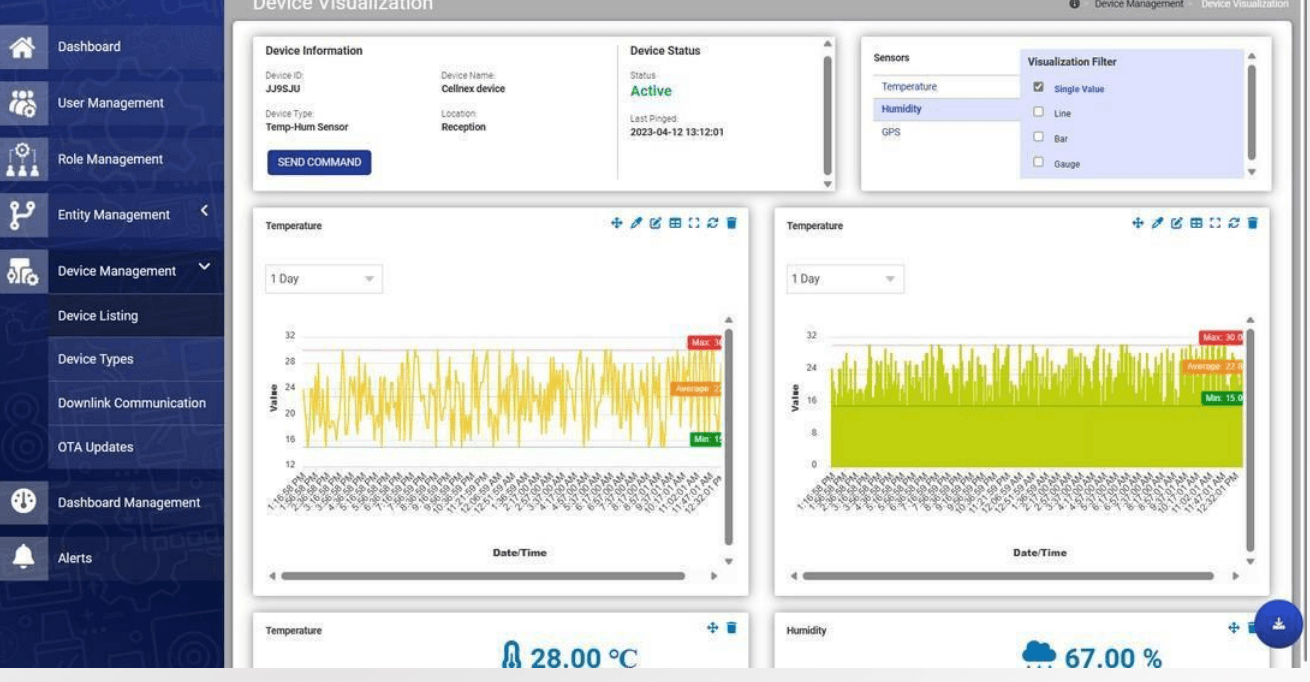
When combined with a ready-to-deploy dashboard, the “Time-to-Value” drops significantly. Instead of custom coding, firms get instant access to:
Live Heatmaps: Identifying bottlenecks in real-time.
Automated Alerts: SMS or email notifications for compliance breaches.
Historical Playback: Essential for incident investigation and audit trails.
Pallet Tracking: Eliminating the “Search & Rescue” Cost
In both Malta and Canada, labour is a premium. The average warehouse worker spends roughly 10–15% of their shift simply looking for misplaced inventory or “lost” pallets.
The Cost Sink: In a Canadian facility where the average wage is $22–$28 CAD/hour, losing 45 minutes a day per worker adds up to thousands in monthly “ghost costs.”
The Zero-Wire Solution: By tagging pallets with active trackers, the dashboard provides sub-meter accuracy.
Payback Impact: For a medium-sized warehouse, reducing “search time” by 80% typically covers the cost of the hardware within 4 to 6 months.
Worker Tracking: Safety, Efficiency, and the “Social Contract”
Worker tracking is often misunderstood as “surveillance,” but in the context of ROI, it is about Safety and Resource Allocation.
In Canada, High safety standards and expensive workers’ compensation (WSIB/CNESST) make accident prevention a financial priority. Fall detection and “Man-Down” alerts via RTLS can lower insurance premiums.
In Malta: With a smaller, more concentrated workforce, optimising “Travel Distance” is key. If the dashboard shows workers are walking 5km a day due to poor layout, re-organising the floor based on RTLS data can boost throughput by 20%.
Payback Impact: Avoiding just one major safety incident or improving pick-path efficiency can lead to a payback period of under 9 months.
Cold Chain & Compliance: Protecting the Margin
For Malta’s pharmaceutical exporters and Canada’s vast food distribution networks, compliance is non-negotiable. A single broken cold chain link can result in the loss of a pallet worth $50,000+.
Automatic Logging: Zero-wire sensors track temperature and humidity alongside location. If a pallet of temperature-sensitive cargo is left on a loading dock in the 35°C Maltese summer, the dashboard triggers an immediate alert.
Regulatory Peace of Mind: In Canada, meeting CFIA (Canadian Food Inspection Agency) or Health Canadastandards requires rigorous documentation. Automated notifications provide an unalterable digital log, replacing manual clipboards.
Payback Impact: Preventing a single “spoilage event” often pays for the entire RTLS system immediately. Even without an event, the labor saved on manual temperature logging usually yields ROI within 5 months.
Comparative Analysis: Malta vs. Canada
| Factor | Malta Operations | Canada Operations |
|---|---|---|
| Primary Driver | Space optimisation & EU Compliance | Labour costs & Remote monitoring |
| Labour Cost (Avg) | €15 – €20 / hour | $25 – $35 / hour |
| Key Risk | Humidity & Heat (Cold Chain) | Distance & Large-scale Safety |
| Payback Window | 6 – 10 Months | 4 – 8 Months |
While Canada sees a faster ROI due to higher hourly labour savings, Malta benefits immensely from the Compliance and Quality Assurance required by the European Union market, where one failed audit can shutter a contract.
Calculating Your Specific Payback Period
To estimate your ROI, use the following formula:
Example Scenario:
Setup: 500 Pallet Tags + 20 Zero-Wire Anchors + Dashboard.
Cost: $15,000 (Estimated).
Monthly Savings: $2,000 (Labor) + $1,500 (Reduced Spoilage/Loss).
Result: 4.2 Months to Payback.
Conclusion: The “Ready-to-Deploy” Advantage
For smaller integration firms in Malta and Canada, the barrier to entry for warehouse automation has vanished. You no longer need a million-dollar budget to achieve enterprise-level visibility.
By utilizing Zero-Wire RTLS, you eliminate the complexity of infrastructure. By using a ready-to-deploy dashboard, you eliminate the wait time for software. The result is a smarter, safer, and more compliant warehouse that pays for itself before the fiscal year is out.
Ready to see the math for your specific facility? Our team specializes in deploying RTLS solutions for yard management, warehouse monitoring systems across Malta and Canada. Contact us today for a custom ROI roadmap.